

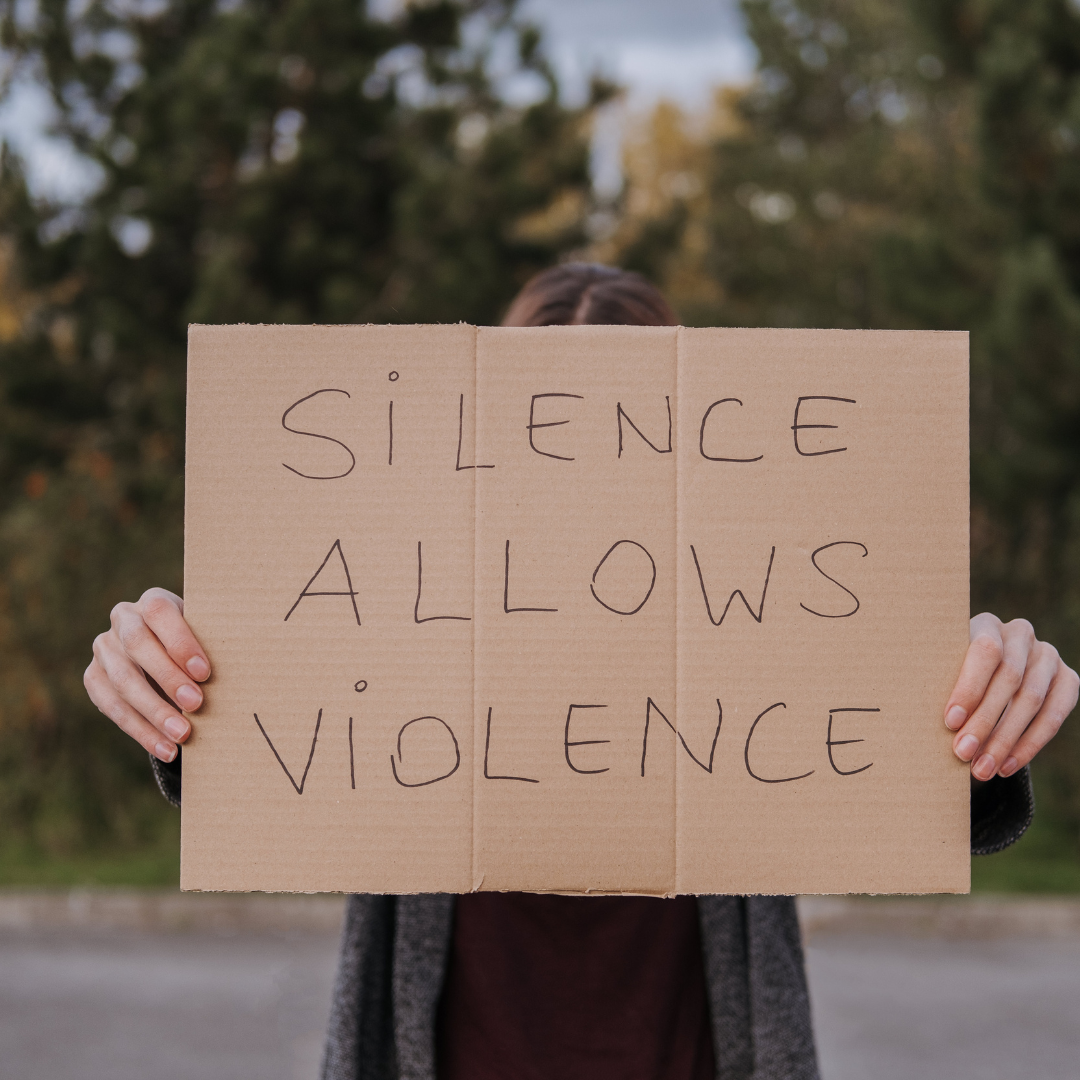
The recent tragedy at Westville pub, Waxy O’Connor’s , where a 48-year-old woman was shot dead inside a popular pub during what is believed to have been a domestic dispute,is both horrifying and sobering. It takes the often private reality of domestic and gender‐based violence (GBV) and drags it into public visibility.
In my recent article about the seeds of GBV, we look at the ingrained audacity that we perpetuate in boys and men in our culture when we continue to lay blame on women for their behaviour and dress code instead of holding men accountable for their actions and self-control.
When violence that might once have been confined behind closed doors erupts in a place of leisure, among strangers, something must shift not just in how we respond, but in how we prevent.
This echoes other recent incidents. Pintos in Hillcrest saw gun violence erupt following an argument among patrons, during which a security guard was wounded. That episode, while not explicitly labelled as domestic violence, nonetheless underlines how conflict driven by interpersonal issues can become lethal, especially when weapons are involved and when there is a breakdown in conflict de-escalation.
Connecting the dots: what do these incidents tell us about the state of GBV, public safety, male perpetrators, and the gaps in our prevention, social norms, and response systems?

Key Lessons from These Incidents
-
Spill-over of intimate/domestic violence into public spaces
- The Waxy O’Connors case shows a domestic dispute that was not contained to a private home but erupted in a public venue; this amplifies harm. Patrons, staff, and bystanders are traumatised; the victim has no place to escape.
- Public spaces need to be safe, not just from strangers but also from relational violence.
- The Waxy O’Connors case shows a domestic dispute that was not contained to a private home but erupted in a public venue; this amplifies harm. Patrons, staff, and bystanders are traumatised; the victim has no place to escape.
-
Role of firearms in escalating domestic or interpersonal conflict
- Both cases involve guns. Access to weapons dramatically increases lethality. A quarrel that ends in a punch could end in death if a firearm is introduced.
- Both cases involve guns. Access to weapons dramatically increases lethality. A quarrel that ends in a punch could end in death if a firearm is introduced.
-
Security and venue responsibility
- Venues can’t always prevent what is brewing, but staff training, policies (e.g., how to intervene or de-escalate, when to call for help), and collaboration with police/security could make a difference.
- Venues can’t always prevent what is brewing, but staff training, policies (e.g., how to intervene or de-escalate, when to call for help), and collaboration with police/security could make a difference.
-
Underreporting, delays, and impunity
- Many domestic incidents are never reported until they escalate tragically. The news reports often show “altercation turned violent” rather than a long history of abuse preceding the event.
- Are there enough safe spaces for women who report violence?
-
Need for prevention at the societal, norm, and community levels
- Change can’t rest only on law enforcement or after-the-fact justice. Norms governing masculinity, power, relationship roles, early education, community monitoring, supporting victims early, and reduced gun access all matter.
- Are patriarchal-type churches that enforce male dominance to blame?

South African GBV & Crime Statistics: The Disproportionate Role of Male Perpetrators
To understand how representative these incidents are, here are recent data points on GBV and related crime in South Africa, especially male vs female roles (as perpetrator/victim).
| Statistic | What it shows |
| GBV Arrests & Convictions | In a recent period, SAPS’ Family Violence, Child Protection and Sexual Investigations (FCS) unit arrested 19,306 suspects for GBV and sexual offence-related crimes. Of those, 2,300 were successfully convicted. The Citizen |
| Regional burden | Gauteng, KwaZulu-Natal, and Western Cape dominate both arrests and cases. For arrests: ~3,293 in Gauteng; ~3,786 in KwaZulu-Natal; ~4,857 in Western Cape over the same period. The Citizen |
| Prevalence of physical violence against women | A study by the HSRC reports that 33.1% of women aged 18+ have experienced physical violence in their lifetime, regardless of relationship status. Extrapolated to the population, that’s ~7.31 million women. DSTI |
| Perpetration | The same HSRC-led study found that men, when surveyed, mostly perceive these laws and see them (violence laws) as real; however, many still hold beliefs that either downplay male responsibility or believe laws make it “too easy for a woman to bring a violence charge against a man.” DSTI |
| Murder of women, domestic setting | From quarterly crime stats: in one quarter (Jul-Sept 2024), 957 women were murdered, of which 106 were in domestic violence settings. Attempted murders and assaults with intent to cause grievous bodily harm (GBH) of women showed substantial proportions occurred in domestic settings. Democratic Alliance |
| Femicide / lethal outcomes | Intimate partner violence accounts for a major share of murders of women. Also, statistics from “Is South Africa safe for women?” (HSRC/CSVR, etc.) show that 51% of women report experiencing GBV in their lives, while 76% of men admit to perpetration at some point. IOL |

Interpreting the Data: Men as Primary Perpetrators
From the above:
- The overwhelming majority of violent crimes against women—including murder, sexual violence, femicide, and assault—are perpetrated by men, especially intimate partners.
- Male perpetration is not only a numeric issue but one of pattern: power imbalances, gender norms, cultural acceptability of violence, and lack of consequences.
- There are, however, caveats: underreporting, societal pressures, fear, and stigma mean many incidents are invisible until they turn lethal; some male victims or female perpetrators are left out of the narrative; interventions need to account for nuance.
What Needs to Change
Given these recent high-profile incidents and the data, here are strategic levers that policymakers, activists, communities, and individuals should push on:
-
Accountability and swift justice
- Ensuring that arrests lead to thorough investigations and that convictions are meaningful, especially in domestic violence cases.
- Improving victim protection both during the legal process and after.
- Ensuring that arrests lead to thorough investigations and that convictions are meaningful, especially in domestic violence cases.
-
Gun regulation and restriction
- More rigorous enforcement of firearm laws, tighter tracking of illegal guns.
- Policies that prevent domestic violence situations from involving firearms (e.g., removing guns from those accused of intimate partner violence).
- More rigorous enforcement of firearm laws, tighter tracking of illegal guns.
-
Public venue safety protocols
- Training for venue staff on recognising domestic altercations, de-escalation, safe removal or separation of involved parties, and calling security/law enforcement.
- Clear policies for when to intervene, plus partnerships with nearby police stations.
- Training for venue staff on recognising domestic altercations, de-escalation, safe removal or separation of involved parties, and calling security/law enforcement.
-
Cultural and educational change
- Boys’ education that challenges toxic masculinity; teaches consent, respect, and emotional intelligence.
- Community dialogues that challenge norms which silence victims or glorify male aggression.
- Boys’ education that challenges toxic masculinity; teaches consent, respect, and emotional intelligence.
-
Support systems for victims early
- Accessible shelters, counselling, and safe reporting mechanisms.
- Community resources, especially in places where domestic violence often goes unreported until a crisis.
- Accessible shelters, counselling, and safe reporting mechanisms.
-
Data, research, and visibility
- Better data on perpetrators (male, female, non-binary), victims, relationships, and firearms involvement.
- Monitoring trends as incidents like Waxy’s and Pintos may indicate changes: more violence in public venues, more lethality, faster escalation.
- Better data on perpetrators (male, female, non-binary), victims, relationships, and firearms involvement.

A Reflection: Behind the Statistics are Stories
We must not let overwhelming numbers desensitise us. The Waxy O’Connors shooting is not just a stat: it’s lives cut short, communities traumatised. Pintos, too, a security guard was shot, and customers were traumatised. These are not isolated, random events. They are expressions of undercurrents of our religious beliefs, traditional customs and societal norms that overlook anger and entitlement going unchallenged.
To prevent the next tragedy, we must move beyond reaction (arrests and court cases)and focus on awareness and prevention through education, cultural change, shifting norms, and early intervention. Male behaviour, accountability, and transformation must be placed at the centre of this conversation. Not to demonise men, but because the statistics show they are far more often the perpetrators of violence, and change is essential.

Leave a Reply